- JapaneseEnglish



Zygoma implants are an effective treatment for cases of severe maxillary bone resorption, and at first glance, the procedure may appear to be highly invasive. However, it also aligns with the concept of “Minimum Intervention,” as it avoids unnecessary bone grafting and, when performed under an appropriate treatment plan, can reduce the burden on the patient. As with the All-on-4 technique, success requires a prosthetic design that takes into account speech, ease of cleaning, aesthetics, and functionality, based on the Facial-Driven Concept and a prosthetically driven treatment plan. The goal of zygoma implants is not simply “being able to place them.” Treatment can only be considered successful if it is minimally invasive, functions effectively over the long term, and provides comfort to the patient. In this workshop, participants will gain a practical understanding of the anatomy surrounding the zygoma and practice basic placement techniques, while also receiving an explanation of indications and other relevant topics.
Using models, participants will practice filling extraction sockets with bone graft material, placing membranes, and performing soft tissue grafting using the VISTA technique.
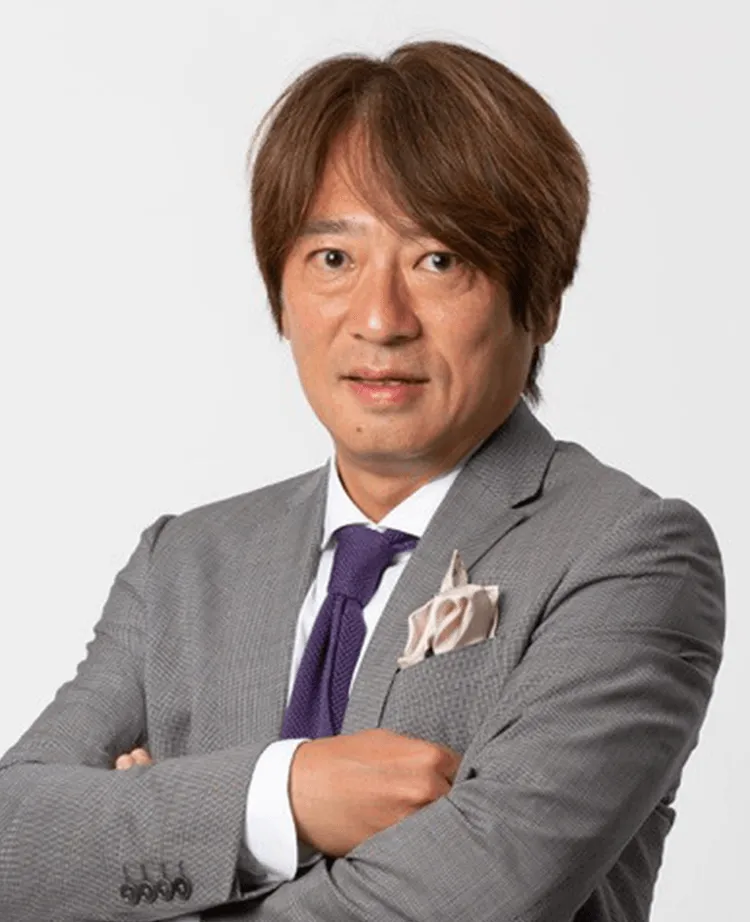
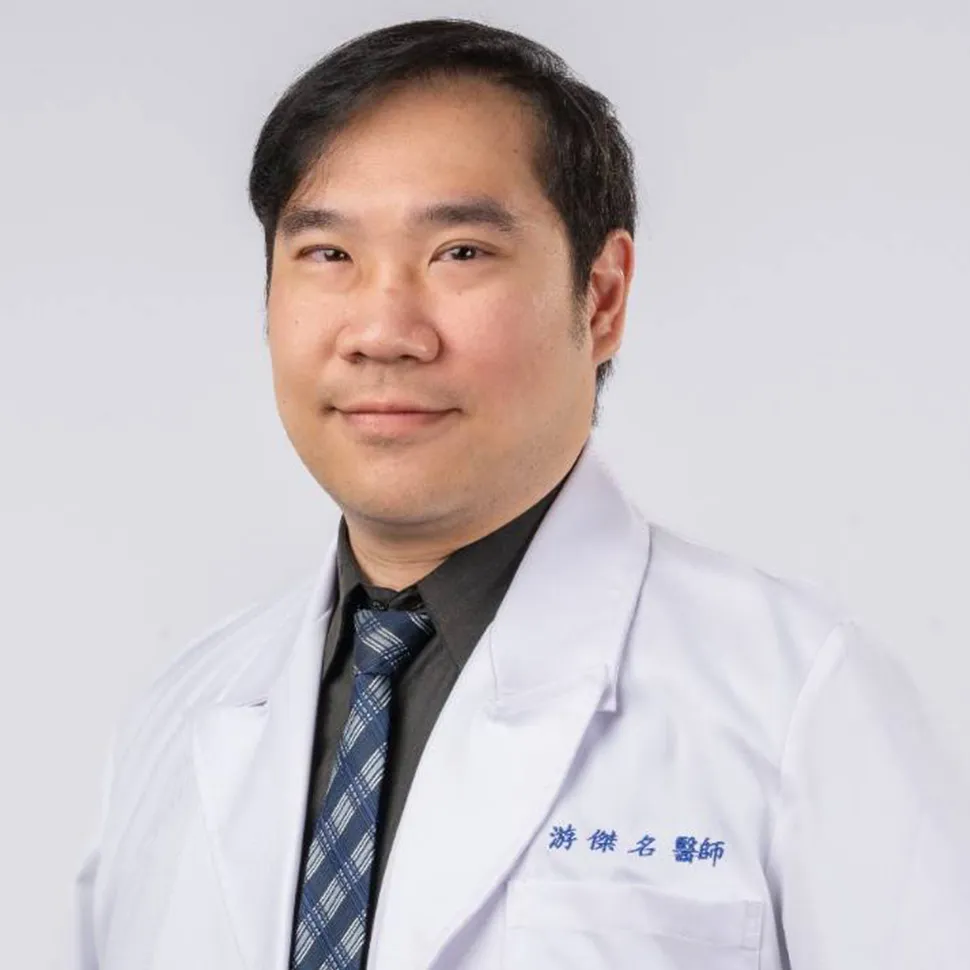
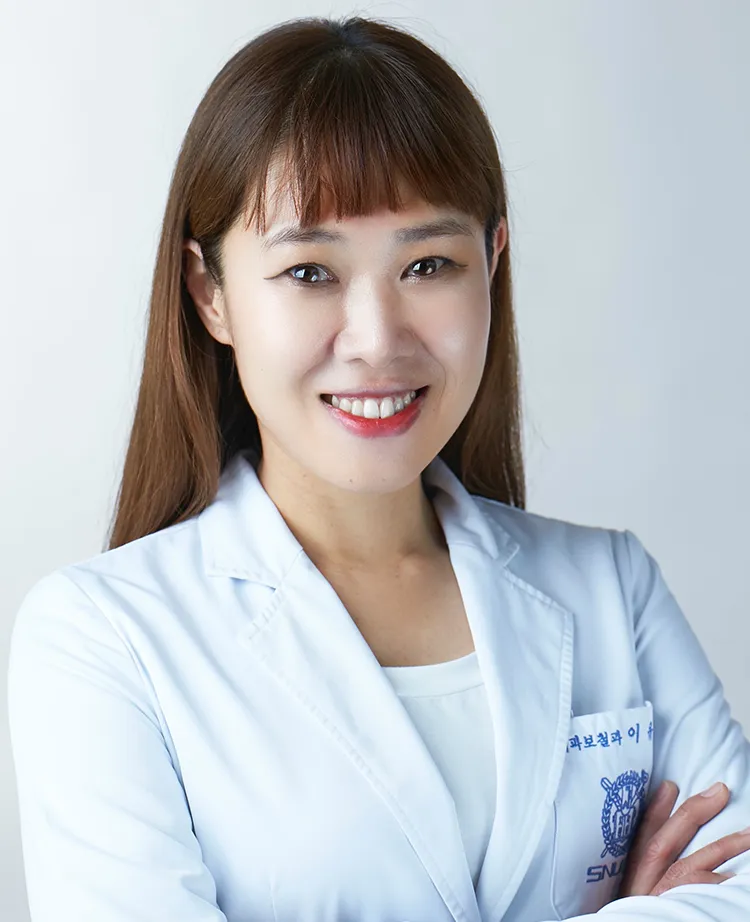
The Sinus Optimization Strategy (SOS) proposes a streamlined, graftless approach to sinus elevation designed to reduce complications, shorten healing time, and enhance predictability in implant dentistry. This concept focuses on maximizing the natural osteogenic potential of the Schneiderian membrane and surrounding sinus walls, allowing clinicians to achieve vertical bone gain without the routine use of grafting materials. By emphasizing atraumatic membrane handling, precise pre-operative diagnostics, and controlled intra-sinus space creation, SOS reframes the sinus lift as a biologically driven process rather than a graft-dependent procedure. Clinical observations suggest that minimizing foreign materials may reduce postoperative inflammation, membrane perforation risk, and graft-related morbidity, while still supporting stable implant integration. The SOS framework provides clinicians with a simplified, biologically conservative pathway for managing posterior maxillary atrophy, one that prioritizes patient comfort, procedural efficiency, and long-term implant success.
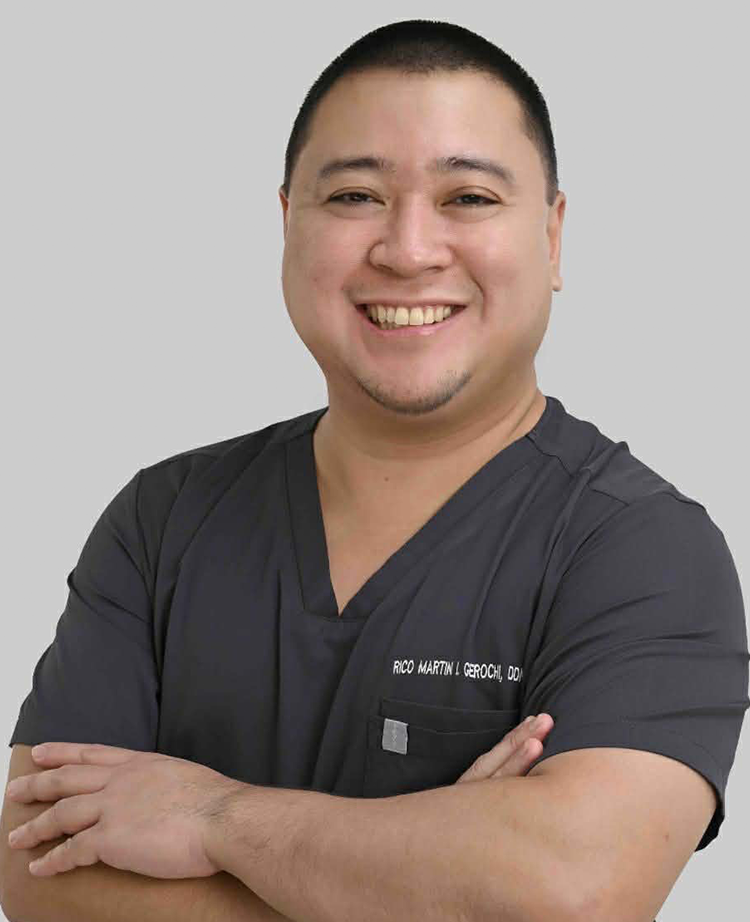
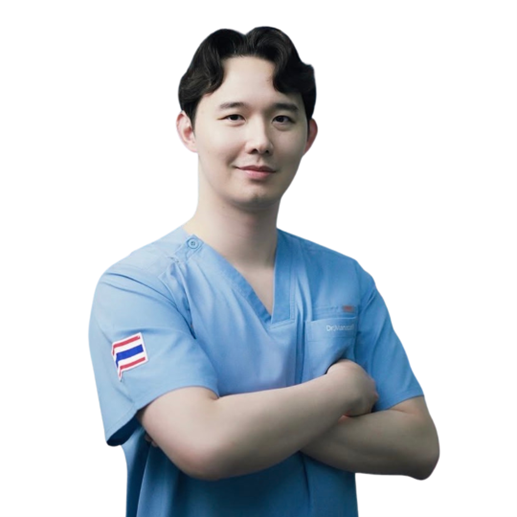
Advances in digital technology have dramatically improved the accuracy and efficiency of diagnosis, treatment planning, surgery, and prosthetic fabrication in full-arch implant treatment. However, simply introducing digital equipment is not enough to achieve high patient satisfaction or long-term success. To realize truly predictable full-arch implant treatment, a “prosthetically driven” treatment plan—in which prosthetic design is developed with consideration for speech and oral hygiene, and implant positions are determined based on that prosthetic plan—is essential. Furthermore, this prosthetic design must be formulated based on the “Facial-Driven Concept,” which prioritizes harmony with the patient’s facial appearance.
In this lecture, we will introduce a digital workflow that integrates Face Scan, CBCT, intraoral scanners, photogrammetry, and dynamic navigation, and explain the diagnostic and treatment strategies for FP1, FP2, and FP3, respectively. Furthermore, by viewing treatments ranging from All-on-4 to zygoma implants as a unified concept, we will present clinical key points—supported by case examples—for achieving aesthetics, functionality, ease of cleaning, articulation, and long-term stability.
Through these presentations, we will propose a full-arch implant treatment strategy that maximizes the use of digital technology and is based on both Facial-Driven and Prosthetically Driven concepts, ensuring high predictability and patient satisfaction.
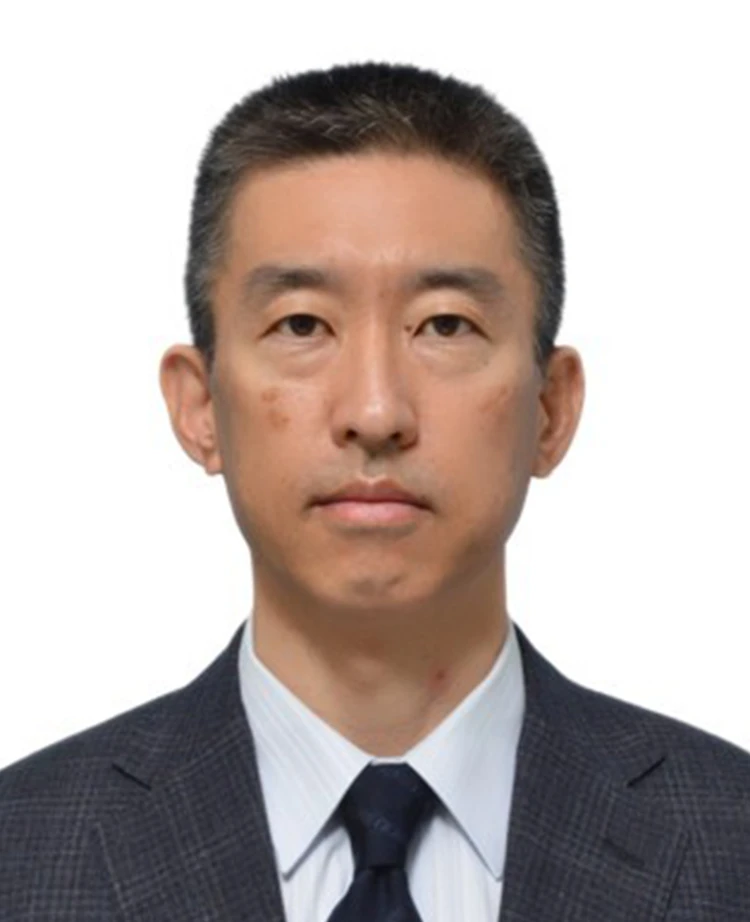
In recent years, the rapid adoption of intraoral scanners (IOS) has led to a significant shift in laboratory workflows from analog to digital dentistry. This change is not merely a replacement of traditional methods with digital ones; when utilized appropriately, it offers numerous benefits, including a reduction in the number of patient visits, less burden on patients, and improved treatment accuracy.
In particular, “Superimpose”—one of the major advantages of digital technology—is extremely useful in implant prosthodontics, enabling greater efficiency and higher precision in the prosthetic process. In this lecture, we will explain, using clinical examples, a method for achieving high-precision implant prosthodontics while reducing the burden on patients and shortening treatment time by combining digital technology with provisional restorations to streamline and optimize the prosthetic workflow.
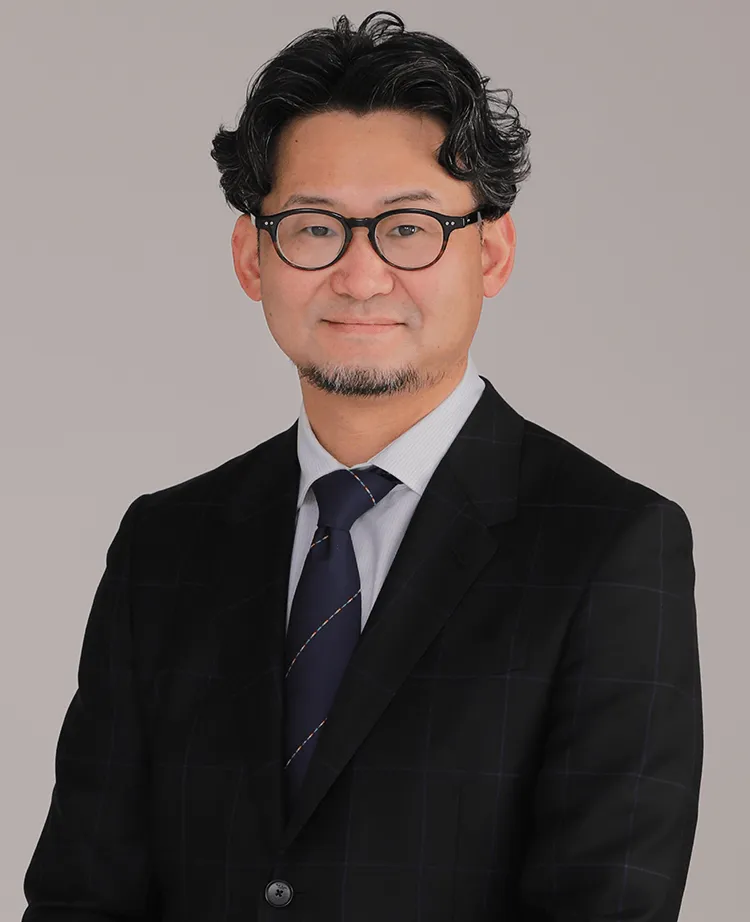
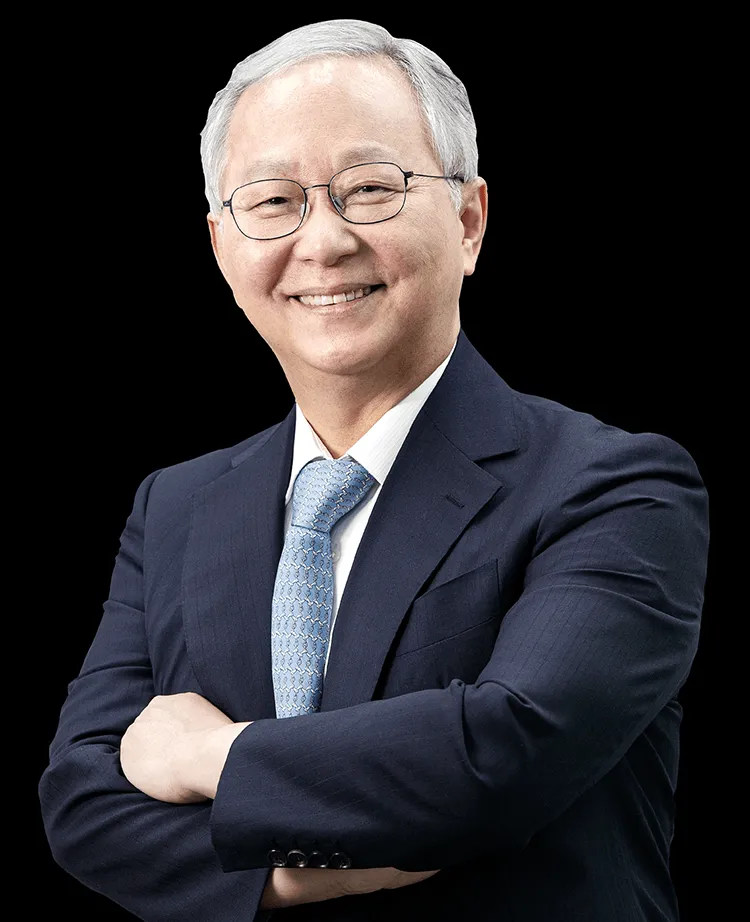
In 1989, the Japan Dental Association launched the 8020 Campaign, aiming to help people retain at least 20 natural teeth at the age of 80. The achievement rate has steadily increased from approximately 7% at the beginning of the campaign to 51.6% in 2022, reflecting remarkable improvements in oral health among older adults.
During the same period, life expectancy in Japan has increased by approximately six years, reaching 81 years for men and 87 years for women. Better preservation of natural dentition has likely contributed to improved nutrition and greater longevity. However, healthy life expectancy has shown little improvement over the past two decades, leaving an average period of disability of approximately 9 years for men and 12 years for women. Because many dental clinics are not equipped to provide hospital-based care, clinicians should prepare patients for the stage when they are no longer able to attend regular dental appointments.
The primary goal of prosthetic treatment for older adults is to establish an oral condition that remains stable and requires minimal intervention, even after patients lose the ability to visit the clinic. Long-term treatment planning should therefore focus not only on functional and esthetic outcomes but also on maintaining oral health throughout the patient’s later years.
This presentation will discuss prosthetic and implant treatment strategies for the super-aging society through long-term clinical cases, with emphasis on treatment planning that supports durable, low-maintenance oral function throughout the patient’s lifetime.
2026 ICOI International Congress of Oral Implantologists Japan Chapter Academic Conference
Platinum Sponsor